
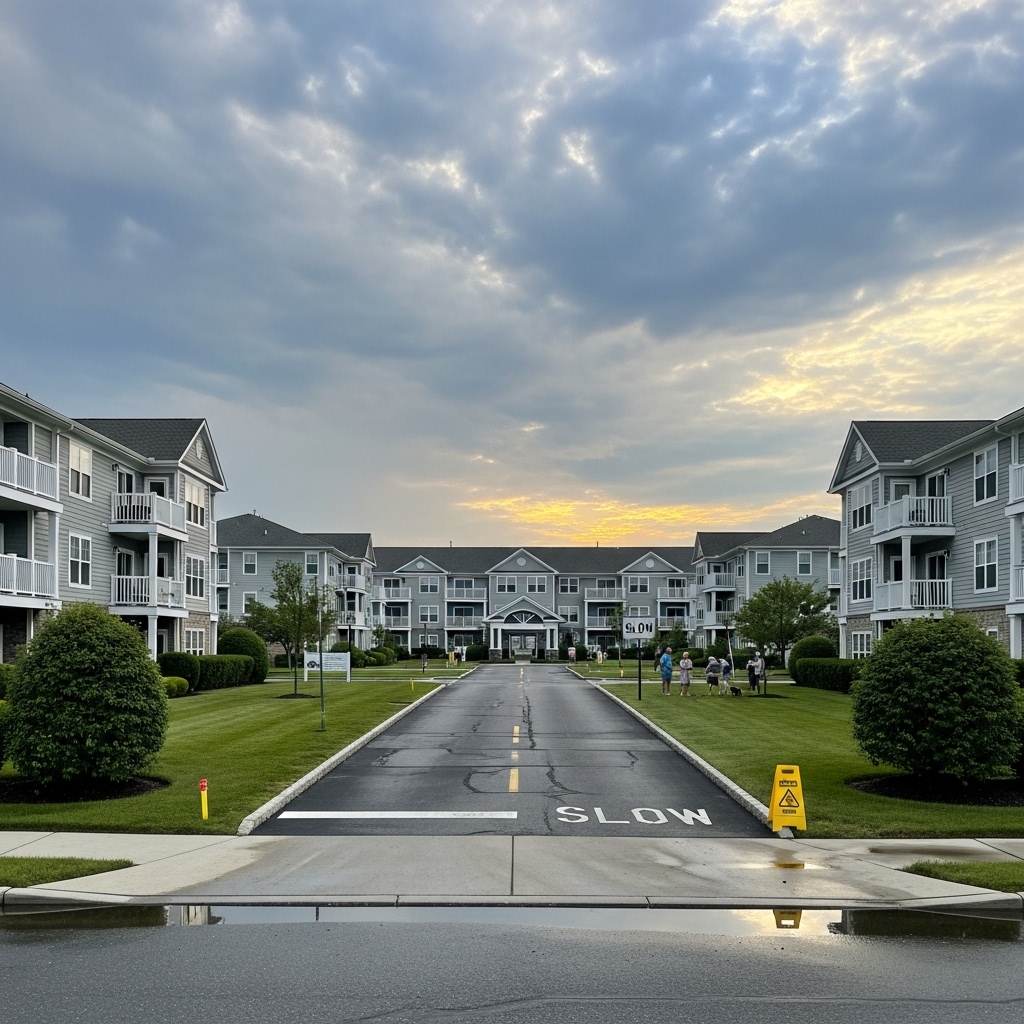
If you’re staring at wet drywall in a brownstone, a soaked high‑rise, or a flooded first floor in a coastal condo—you’re not crazy. The rules are. Master policies, HO‑6 policies, bylaws, and assessments collide after a storm and it’s easy to get pinned between carriers.
This guide helps you stop the bleeding today and set up a cleaner recovery path tomorrow. Our goal is to pursue the benefits available under your policies. Outcomes vary; expect responsibility for deductibles and any non-covered costs.
---
Start Here: Your 60‑Second Sanity Check (You’re Not Crazy; the Rules Are)
The storm hit. Everyone’s pointing fingers. The HOA says “file under your HO‑6.” Your HO‑6 carrier says “that’s the master policy.” Deep breath.
Think of the master policy as the building’s skeleton and shell. Your HO‑6 is the skin, paint, and everything you can unplug and carry.
Quick answers to the big questions:
Who pays for roof, windows, balconies, drywall, floors, cabinets, and contents? - Commonly, Master policies address roof/exterior/common systems, and HO‑6 coverage addresses certain interior finishes, built‑ins, appliances, and personal property—governing documents and policy language control. The master deductible is massive—can it be pushed to unit owners? - Many bylaws allow allocation (by square footage or equal shares). Your HO‑6 Loss Assessment coverage can help—if limits and peril match the loss. How do I use Loss Assessment on my HO‑6? - If the association levies an assessment tied to a covered property loss (e.g., wind), HO‑6 Loss Assessment coverage may apply up to your limit when policy conditions are met. Wind vs. flood vs. wind‑driven rain—how do I avoid getting stuck between carriers? - You may need to open separate wind and flood claims (master and HO‑6). Preserve evidence that shows wind‑created openings/envelope failure before water rose. How do I stop the bleeding today and still protect my claim? - Stabilize (tarp, extract, dehumidify), document everything, save damaged materials, and give written notice to all carriers now.
---
First 24–72 Hours: Actions That Move Money, Not Just Paperwork
Safety and stabilization come first. Evidence runs a close second.
Stop further damage now
- Board blown windows/doors, tarp roofs, extract water, run dehumidifiers/air movers.
- Keep every invoice, work order, and technician note.
Document like a pro
- Photograph/video every room, each wall/ceiling plane, and the exterior. Capture serial numbers for appliances/HVAC.
- Save removed materials in a safe pile (roof shingles, soaked baseboards, failed window seals). Don’t trash your best evidence.
Notify in writing (time‑stamped)
- Unit owners: Notify your HOA/manager and your HO‑6 carrier.
- HOAs/Boards: Notify the master property carrier and any flood policy (NFIP/private). Open separate claim numbers per building if multi‑building.
Organize the claim
- Appoint a “claim captain.” Create a shared folder (Drive/SharePoint) for photos, estimates, invoices, and all correspondence.
- Start a claim diary with dates, who said what, and promised timelines. This becomes leverage if the carrier drags its feet.
---
Master policy vs. HO‑6: who pays what after a storm
Your governing docs and policies are the rulebook. Pull them now.
Gather the right documents
- Declaration/CC&Rs, Bylaws, Rules/Regs
- Master Property Policy and Flood (NFIP/private)
- Your HO‑6 policy and endorsements
Identify your master policy type
Single‑entity/all‑in, bare walls, or modified/all‑in with exceptions. This drives who pays for drywall layers, built‑ins, and more.
Typical (verify against your docs)
- Master policy often: roof, exterior walls, building envelope, structural components, common plumbing/electrical risers, hallways/elevators, foundation, common HVAC, amenities.
- HO‑6 often: interior finishes (paint, drywall past the first layer), flooring, cabinets/vanities, fixtures, appliances, personal property, Additional Living Expense (ALE).
- Limited common elements (balconies, windows/doors, patios, unit‑served exterior AC compressors) vary—your CC&Rs decide.
Improvements and betterments
Custom upgrades (stone counters, high‑end floors) are usually a unit‑owner issue under HO‑6 unless the master specifically covers “betterments.”
---
Deductibles, special assessments, and your HO‑6 Loss Assessment coverage
Named storm/hurricane deductibles can be 2%–5% of building value—six or seven figures.
How boards allocate big deductibles
By square footage, equal shares, or by “stack” for limited common elements—check bylaws and the policy.
Unit owners: tune your HO‑6
- Check Loss Assessment limits and exclusions now. Confirm it applies to property damage assessments (wind/hail), not just liability or pool slips.
- Consider increasing Coverage A (build‑out), contents, ALE, and Loss Assessment before storm season.
Board action items
- Adopt a deductible allocation policy and communicate it in plain English.
- Consider deductible reserve funding and/or deductible buydown endorsements.
- When assessing, issue clear notices that tie the charge to the covered loss so owners can trigger Loss Assessment coverage.
---
Wind vs. flood vs. wind‑driven rain: don’t let carriers play hot potato
File both when in doubt
If you saw storm surge or rising water, you may need to open flood claims (NFIP/private) alongside wind claims for both the master policy and HO‑6. Discuss with your carriers or counsel based on your facts.
Evidence that proves causation
- Weather data and forensic meteorology for timing/wind speeds
- Torn shingles, broken seals, impact points, lifted flashing, windward/rainward water patterns
- Interior water lines vs. directional staining to separate surge from infiltration
- Plumber/forensic leak reports if a carrier cries “maintenance”
Watch the fine print
Anti‑concurrent causation clauses can shrink coverage when wind and flood combine. Wind‑driven rain exclusions and endorsements matter. Know yours.
Local realities
- Gulfport/Houston: wind plus surge after tropical systems—dual claims are common.
- Metairie/Greater New Orleans: named storm deductibles and wind‑driven rain fights pop up after every season.
- Boston: nor’easter infiltration through aging envelope and windows; carriers love the “maintenance” excuse—counter with envelope inspections.
---
Fast decision guide: who pays for these common storm scenarios?
Roof torn off; ceiling collapse and ruined floors
- Master: roof and structural repairs.
- HO‑6: interior drywall/paint beyond first layer (per docs), flooring, cabinets, personal property, ALE.
Window blown out; rain soaks the unit
- Window responsibility varies (limited common element vs. unit component). Check CC&Rs.
- HO‑6: contents and ALE; window unit itself is Master or HO‑6 depending on your docs.
Balcony railing ripped away
Usually a limited common element; often Master pays, with possible allocation to that stack per bylaws.
Rooftop HVAC condenser damaged
If it serves one unit, many CC&Rs place it on the owner; if common, Master. Verify before filing.
Elevator room flooded; building shut down
- Master: elevator/electrical/common area restoration.
- Owners: ALE or loss of rents (landlords) under HO‑6.
---
How to maximize recovery on condo and HOA property claims
Build a complete scope—don’t accept “patch jobs”
- Use a licensed GC, building consultant, or public adjuster to build an Xactimate estimate that includes code upgrades, permits, contractor overhead/profit, realistic drying protocols, and temporary protections.
- Include matching, waste factors, and manufacturer‑required replacement (e.g., full slope/plane).
Bring independent experts
- Engineer for structural and wind‑causation opinions.
- Industrial hygienist for moisture mapping/mold protocols if water sat longer than 48 hours.
Ask for undisputed money now
Request advances for emergency services, ALE, and any undisputed scope. Calendar statutory payment deadlines.
Keep your paper clean
Proof of loss, sworn inventories, receipts, and a running communication log. Never sign a broad release that waives the right to supplement.
---
Coordinating master and HO‑6 claims without landmines
Assign roles
Board/manager runs the master claim. Owners run their HO‑6 claims. Share docs in a secure portal.
Avoid double recovery—and carrier games
Track what each policy pays. Don’t let one carrier use the other’s low estimate to shrink your scope.
ALE and habitability
- Owners: request ALE early with proof of uninhabitability (photos, building notices).
- Landlords: claim loss of rents under HO‑6/Landlord coverage; get tenant displacement letters.
Subrogation and narrow releases
- Be careful with carrier “global” releases; protect the community’s right to pursue negligent vendors/manufacturers.
- Neighbor‑to‑neighbor water disputes: talk to counsel before giving statements.
---
When carriers delay, deny, or underpay: your dispute roadmap
Businesslike escalation
- Submit a written supplement with expert reports and a line‑by‑line rebuttal.
- If the fight is “how much,” not “whether,” request appraisal if your policy allows it.
- Consider mediation where useful.
Regulators and bad‑faith pressure
Where appropriate, you can consider contacting your state regulator:
- Louisiana Department of Insurance
- Texas Department of Insurance
- Georgia Office of Commissioner of Insurance and Safety Fire
- Mississippi Insurance Department
- Massachusetts Division of Insurance Preserve bad‑faith claims: put carriers on written notice of missed deadlines, refusal to pay undisputed sums, or inadequate investigations.
Litigation triggers and timing
- Calendar “Suit Against Us” deadlines—often 1–2 years and shorter than general statutes.
- Don’t do recorded statements or EUOs without prep. Involve counsel early.
- Expect inspections, depositions, and sometimes appraisal/litigation hybrids in storm cases.
---
Board‑only checklist: governance, procurement, communication
- Hold an emergency meeting; minute decisions and vendor selection (protects against fiduciary claims).
- Vet vendors: licenses, insurance, defined scopes, no surprise “assignment of benefits” that strips control.
- Centralize contracts/scopes/change orders; require lien waivers.
- Owner communications: short weekly updates, deductible/assessment explanations, ALE guidance for displaced residents.
- 30/60/90‑day targets: stabilization, full scope, funding lined up, build‑back schedule.
---
Avoid the traps that kill recovery
- Letting contractors toss damaged materials before adjuster/engineer inspections.
- Accepting “cosmetic only” roof or window findings without an engineer’s review.
- Missing policy deadlines (proof of loss, EUO scheduling, supplement windows, suit limits).
- Ignoring ordinance or law/code upgrades and accessibility requirements.
- Underinsuring replacement cost (coinsurance penalties on master policies hurt).
---
Pre‑storm prep: win next season’s claim before the clouds form
Coverage tune‑up
- Master: verify replacement cost valuation, ordinance or law, wind‑driven rain endorsements, realistic per‑building limits, and named storm/hurricane deductibles; consider deductible buydown.
- Owners: increase HO‑6 Coverage A (build‑out), contents, ALE, and Loss Assessment limits.
Documentation muscle
- Annual photo/video of exteriors/interiors, maintenance logs (roof/window), reserve studies, warranties.
- Build a “claim playbook”: contacts, roles, evidence checklist, pre‑vetted experts.
Run a tabletop drill with your property manager and claim captain before peak storm months.
---
Local help and resources (quick connects)
We host free board town halls and one‑on‑one claim strategy calls near our offices so you can get answers fast and in plain English.
- Metairie/Greater New Orleans (near 17th Street): named storm deductibles, wind‑driven rain, and envelope disputes.
- Gulfport beachfront communities (Courthouse Rd corridor): surge plus wind, dual claims, NFIP pitfalls.
- Houston Galleria/1 Riverway towers: wind/hail, water intrusion, elevator and MEP claims.
- Atlanta Midtown (W Peachtree): high‑rise water migration, window and balcony disputes.
- Boston Back Bay/Financial District: nor’easter infiltration, aging façade/window systems, “maintenance vs. sudden storm” fights.
If you’re stuck between carriers right now, consider getting guidance before you give statements or sign releases. Early advice can help you understand your options.
---
What working with us looks like
- We help policyholders pursue available insurance benefits so they can rebuild. Outcomes vary; expect responsibility for deductibles and any non-covered costs.
- We start with a claim audit, fix the evidence, and force momentum—regulatory pressure, appraisal, or storm litigation when needed.
- No three‑piece suits unless we’re in court. We’re in polos and caps, on site, rebuilding community with you.
---
One call gets you moving again
Schedule a free master policy and HO‑6 checkup with Insurance Claim HQ’s local team (no cost to meet and discuss your options):
- New Orleans/Metairie HQ: 3001 17th Street, Metairie, LA
- Gulfport: 204 Courthouse Rd, Suite A, Gulfport, MS
- Houston: 1 Riverway, Houston, TX
- Atlanta: 1201 W Peachtree St NW, Suite 600, Atlanta, GA
- Boston: 44 School St, 6th Floor, Boston, MA
Call 844-584-8448 or visit insuranceclaimhq.com to schedule a no-obligation strategy session. We’ll help you stabilize, document, and pursue the benefits available under your policies.
Attorney Advertising. General information only; not legal advice. Reading this content does not create an attorney–client relationship. Results vary; no guarantee. Representation is limited to jurisdictions where our lawyers are licensed, and we associate with local counsel when required. Contingency-fee representation may be available; court costs and case expenses may be the client’s responsibility as outlined in a written engagement agreement. Coverage outcomes depend on specific policy language and facts—review your documents and deadlines with a qualified attorney licensed in your jurisdiction.